Variable Speed Pool Pump (2026): Quiet Filtration That Costs Less to Run
A variable speed pool pump earns its keep on low-RPM filtration hours, not on brochure horsepower. Match voltage, plumbing, and how you want to program it.
By Harper Lin
Poolsidebasics is reader-supported. As an Amazon Associate we earn from qualifying purchases. Learn more.
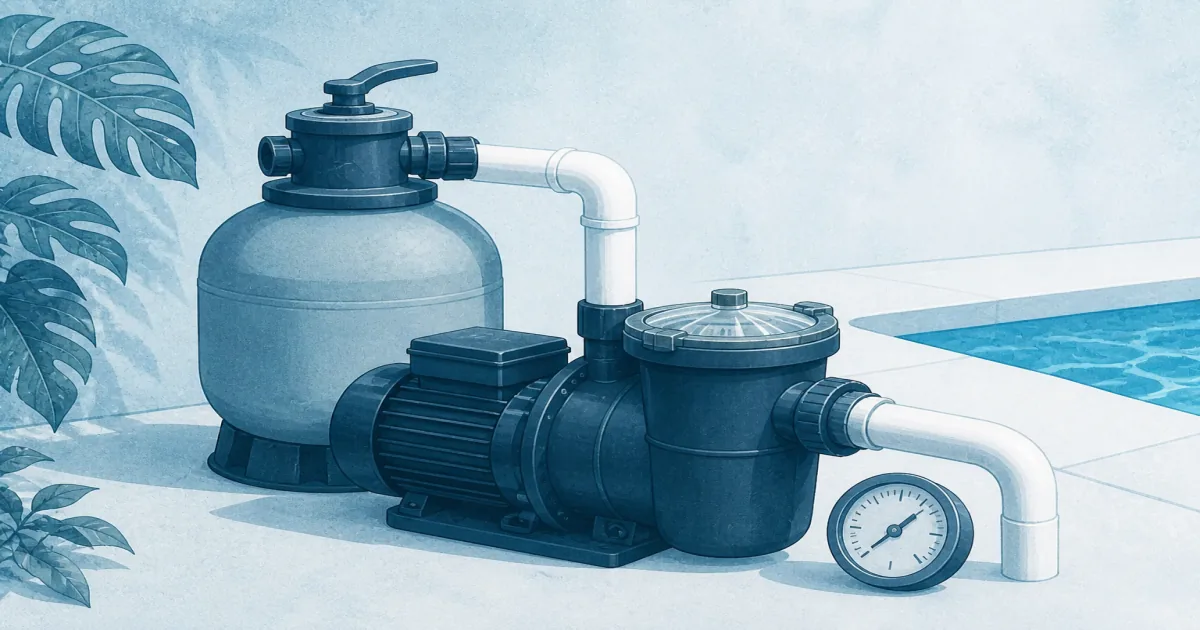
The short answer: For most backyard pads, start with the Pentair SuperFlo VS. Step up to the Hayward TriStar VS when you want stronger efficiency and basket capacity. Pick the BLACK+DECKER model when WiFi scheduling matters more than brand-native automation.
Our picks
A variable speed pool pump is how modern equipment pads stop paying single-speed electricity rates for yesterday’s filtration habits. The win is not a louder high-speed blast. It is many quiet hours at a low RPM that still turn the pool over, feed the best pool filter, and keep chemistry mixed.
This guide is for US owners replacing an aging single-speed or choosing a first VS upgrade. Cross-check voltage and unions before you click buy. Soft next reads live on the blog and the homepage if you are still mapping the whole pad.
Why variable speed beats “run it hard for fewer hours”
Single-speed pumps force a bad choice: short, loud, expensive runs, or long runs that hammer the bill. A variable speed pool pump lets you filter most of the day at a gentle speed, then bump RPM when a robot, spa jet, or vacuum needs flow.
Owners who keep the old short schedule after installing VS leave money on the table. Program filtration first. High-speed overrides are for chores, not the default.
Watch filter pressure after the swap. Low-speed flow can look “weak” on a dirty cartridge even when the pump is fine. Clean the media, then tune speeds.
Top pick: Pentair SuperFlo VS
The Pentair SuperFlo VS is the practical upgrade for many mid-size inground pools. Dual-voltage wiring covers common 115V and 230V pads, and the control panel is simple enough that you do not need an automation hobby to set filtration and cleanup speeds.
It fits owners who want a known SuperFlo-class footprint and a schedule they can set once. If your pad already has SuperFlo plumbing geometry, the swap feels familiar. If you need maximum WEF bragging rights or a huge strainer for leafy yards, look at TriStar next.
High-efficiency pick: Hayward TriStar VS
The Hayward TriStar VS is the pick when efficiency and hydraulic headroom matter more than the lowest sticker. The large basket helps in leaf season, and the programmable interface works alone or with relay automation.
Choose TriStar when the pool has water features, a spa spillover, or a history of struggling filters on hot weeks. It costs more up front. The quiet low-speed hours are where owners feel the difference on the pad and the meter.
WiFi value pick: BLACK+DECKER 1.5 HP
The BLACK+DECKER variable speed pump is for the owner who wants phone control without buying a full automation panel. Dual voltage and common port adapters make it a flexible Amazon-path upgrade when the electrician confirms the circuit.
Keep a local schedule as backup. Apps change. The pump still needs clean baskets, primed unions, and a filter that is not packed with debris.
Fit checks before you order
- Read the motor nameplate voltage and amps.
- Measure union sizes and note whether the old pump used 1.5" or 2" plumbing.
- Confirm the breaker and wire gauge with someone qualified.
- Plan filtration hours at low speed, not a copy of the old short blast schedule.
- Budget a new pump basket lid o-ring and fresh unions if the old plastic is cooked.
A VS drive cannot fix a sand filter that needs media, a multiport stuck between positions, or chemistry that never gets tested. Pair the pump with honest water checks from a pool test kit.
How to program the first week
Day one is not about inventing a perfect calendar. Priming, leak checks, and a known clean filter pressure come first. Once the pump holds prime on low speed, set a long filtration window that covers the hottest part of the afternoon. Add a short high-speed block for vacuuming or a dirty weekend cleanup. Leave spa mode or feature mode off until the basic schedule is boring and reliable.
Listen on the pad. Low speed should be a soft hum. Cavitation, rattling unions, or a strainer that never fills means air on the suction side or a clogged basket. Fix that before you chase energy savings on a spreadsheet. If leaves pack the strainer every day, empty it on a cadence that matches the trees, not the app reminder.
Rebates and Energy Star paperwork vary by utility. Keep the model sticker photo and the install invoice if you plan to apply. The paperwork does not change how you should run the pump: low for filtration, high for chores.
Common mistakes
Ordering by “horsepower” alone. Leaving high speed as the only programmed mode. Ignoring bonding and disconnect rules. Expecting WiFi to replace a clogged impeller. Running vacuum tools on a speed too low to hold prime.
If the pad floods in storms, raise or protect the pump before you invest in a premium drive. Water and electronics still do not mix. Do not bury the drive under a tarp that traps heat either. Shade helps. Sauna does not.
Above-ground owners with tiny cartridge pumps should not force an inground VS into a hose kit that cannot support the flow. Match the plumbing and the pool type. A mismatched install is louder and less efficient than the single-speed it replaced.
Bottom line
A variable speed pool pump pays off when low-speed filtration becomes the default. Buy the Pentair SuperFlo VS for a clean everyday upgrade, the Hayward TriStar VS when efficiency and basket capacity matter more, and the BLACK+DECKER when app control is the feature you will actually use.
Frequently Asked Questions
What is a variable speed pool pump?
It is a pump motor and drive that can run at many RPMs instead of one fixed speed. Most of the day you filter on a quiet low speed. You bump speed for vacuuming, spa spillover, or a dirty filter cleanup.
Will a variable speed pool pump lower my electric bill?
Usually yes, if you actually run long low-speed hours instead of short full-speed blasts. Power draw drops sharply as RPM falls, so longer filtration can still cost less than a single-speed race.
Do I need a separate pool pump timer?
Many variable speed pool pumps include onboard schedules. You may still need disconnects and code-compliant wiring. A mechanical pool pump timer is a different tool for single-speed pads.
Can I swap a single-speed pump for a variable speed model myself?
Plumbing unions are the easy part. Voltage, bonding, and wire sizing are not DIY for most owners. Hire a pool electrician when the label or panel is unclear.
What horsepower should I buy?
Match the existing pump’s service factor and plumbing, then size for the filter and features you actually run. Oversized full speed wastes energy; undersized high speed never builds pressure.
Is dual voltage important?
It helps when the pad can be 115V or 230V. Confirm the breaker, wire gauge, and nameplate before you order. Wrong voltage is an expensive mistake.
How loud is a variable speed pool pump on low?
Low RPM is usually a soft hum compared with a single-speed scream. High speed still sounds like a pump. Place the pad with neighbors in mind either way.
Do I still need a clean pump basket?
Yes. A clogged pool pump basket ruins priming and efficiency no matter how smart the drive is.