Pool Chlorine Floater (2026): 3-Inch Tablet Dispensers vs Spa Minis
A pool chlorine floater only works if tablet size and vent settings match your water volume. Use a 3-inch dispenser for most pools and a mini for spas.
By Harper Lin
Poolsidebasics is reader-supported. As an Amazon Associate we earn from qualifying purchases. Learn more.
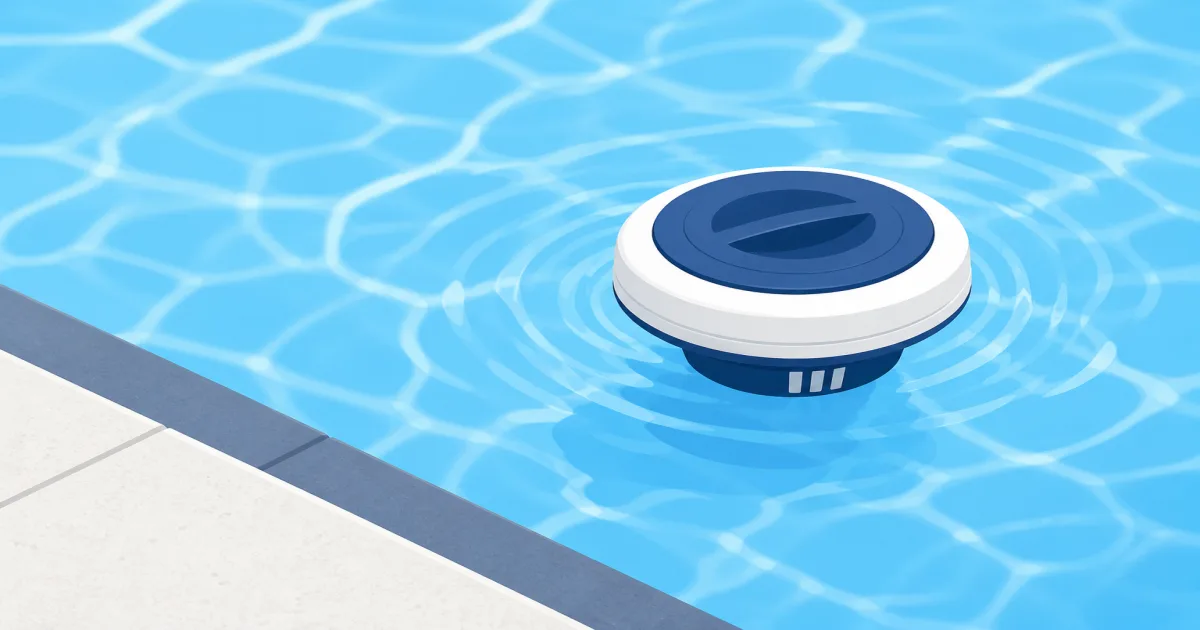
The short answer: Match tablet size first. For a standard pool chlorine floater, use the SEWANTA Floating Chlorine Dispenser with 3-inch tablets. For spas and small shells on 1-inch tabs, use the ATIE Collapsible Mini instead.
Our picks
A pool chlorine floater is a plastic basket that dissolves tablets slowly while it drifts. It looks simple, and it is, until the wrong size tablets sit in the wrong vents and your test kit reads chaos for a week.
This comparison keeps the decision narrow: 3-inch pool dispensers versus 1-inch mini floaters. Notes come from product specs and Amazon owner reviews. We did not dose test pools for this article.
Floater vs skimmer vs inline feeder
If your equipment pad already has an inline chlorinator, you may not need a floater at all. If you are dosing by hand every few days and forgetting, a floater is the habit fixer.
Standard pool pick: SEWANTA 3-inch dispenser
The SEWANTA Floating Chlorine Dispenser (3-Inch Tablets) is the main recommendation for typical backyard pools. It holds multiple 3-inch tablets, uses an adjustable dial for output, and collapses flat for winter storage.
Owners like that it stays floating instead of sinking into a sad chlorine puddle on the floor. Use the side loop to tether it away from metal ladders if staining worries you. Start with vents low, then adjust after you test.
Spa and mini pick: ATIE 1-inch dispenser
The ATIE Collapsible Mini 1-Inch Tablet Dispenser is for small water volumes. Spas, kiddie pools, and tiny above-ground shells often use 1-inch tabs. Forcing 3-inch tablets into a mini basket does not work, and stuffing 1-inch tabs into a giant 3-inch floater makes control harder.
Same rule as the big floater: adjust vents slowly and test. Hot water chemistry moves faster, so check more often than you would on a cool in-ground pool.
Comparison snapshot
How to avoid the classic floater mistakes
Do not open every vent on day one. You will spike chlorine, shock the water, then slam the vents shut and chase the reading for days.
Do not leave the floater parked against a thin metal rail for a week if the label warns about bleaching or corrosion. Move it, or tether it in open water.
Do not treat the floater as a substitute for brushing and filtration. Tablets sanitize. They do not vacuum leaves. Keep cleaning tools in the loop with best robotic pool cleaner and a weekly test habit from best pool test kit.
Opening week tip
When you pull the cover, clear standing water with a pool cover pump first, balance the water, then start the floater on a conservative vent setting. Fresh openings often need a shock dose before slow tablets can keep up. Read the tablet label and your local code guidance before you invent a custom schedule.
Reading the water instead of guessing vents
Buy a kit you trust and use the same time of day when you can. Morning readings are calmer than testing right after a pool party. Log free chlorine, pH, and alkalinity for a week when you change floater settings so you can see cause and effect.
If free chlorine stays low with vents open, look at stabilizer (CYA), sunlight hours, and algae. Dumping more tablets into a floater will not fix a green pool that needs brushing, filtration, and a proper treatment plan. If chlorine runs high, close vents and remove tablets until the reading settles. Swimming in overly hot chlorine is miserable and hard on suits and skin.
Replace empty baskets promptly. A floater bobbing with one half-dissolved tablet can still swing readings if the vents are wide open on a hot afternoon.
Safety and storage habits
Keep spare tablets in a cool, dry, locked place away from other pool chemicals. Never mix products in the same bucket. Rinse and dry the floater before winter storage so you are not opening a crusty chemical bomb next spring.
Teach kids that the floater is equipment, not a pool toy. Bright plastic attracts curious hands. Pull it before swim time and park it on the deck in a bin if that is the only way it stays untouched.
If your municipality has rules about discharge or chemical handling, follow those over any internet tip. Local guidance beats a generic vent chart.
Where the floater sits in the weekly routine
Think of the floater as slow background dosing. You still skim, brush, run the cleaner, and test. On heavy bather weekends, you may still need a manual boost. On quiet weeks, the floater can hold the line while you only test and skim.
That is the practical win: fewer emergency dump-and-pray chlorine days, more boring steady readings. Boring is good in pool chemistry.
If you want one sentence to remember, use this: right tablet size, low vents first, test before you twist the dial again. That habit beats any fancy floater shape on the listing page.
Frequently Asked Questions
Should chlorine tablets go in the skimmer instead?
Some builders prefer skimmer or inline feeders. Tablets in a skimmer can sit in high flow and send a strong burst through equipment. A floater keeps dissolution in the open water when used as directed. Follow your builder and tablet label.
How do I set the vents?
Start nearly closed, test free chlorine the next day, then open vents slightly if you are low. Big vent jumps create roller-coaster readings. Use a reliable kit from best pool test kit.
Can I swim with the floater in the pool?
Pull it out before swim time, especially around kids. A floating chemical basket is not a toy, and concentrated tablets near skin are a bad mix.
Do floaters work in saltwater pools?
Salt systems still need occasional chlorine boosts. A floater can help with tablets when the cell is offline or after a heavy bather load. Confirm tablet type with your salt system guidance.
Why is my chlorine still low with a full floater?
High CYA, heavy sun, algae demand, or closed vents can all eat chlorine. Test, brush, and clean the filter before opening vents wider. See best pool brush.
3-inch or 1-inch tablets?
Match the floater to the tablet. Most in-ground and large above-ground pools use 3-inch. Spas and tiny shells often use 1-inch. Mixing sizes in the wrong basket wastes money.